

Florida Workers' Comp: 2026 Rate Drop
Florida employers can expect another drop in workers' compensation insurance rates for 2026. Rates are projected to decrease by an average of 6.9% statewide, marking the tenth consecutive year of reductions. This trend offers significant relief for business overhead costs.
This decrease stems from improved workplace safety and stable healthcare economics. Brandon J. Broderick and Winer Law Group attribute the trend to fewer reported injuries and controlled medical costs. While 6.9% may seem small, ten years of reductions add up for Florida businesses.
This isn't a temporary change. The Florida Division of Workers' Compensation analyzes data to set rates, and this decade-long decrease indicates real improvements in workplace safety and cost management, as confirmed by FUBA Agent Bulletin.
Lower insurance premiums directly reduce operating expenses, allowing businesses to reinvest in growth or employee benefits. Remember, these are average rates; individual premiums depend on industry, claims history, and other factors.
What Drives These Lower Rates?
The consistent decline in workers' compensation rates results from several factors. While fewer injuries and stable medical costs are the main reasons, improved workplace safety protocols also play a role.
Many industries have implemented robust safety training and adopted new technologies to prevent accidents. Without detailed industry data, it's hard to pinpoint specific initiatives, but the trend suggests a greater emphasis on proactive safety measures.
Stable medical costs also contribute significantly. Advances in medical treatments and more efficient healthcare delivery have helped control costs. Some suggest increased competition among healthcare providers lowers prices, though more research is needed. This is a complex issue with multiple causes.
Publicly available data correlating specific industries with injury rate declines is limited. A breakdown by industry would help identify best practices and areas for improvement. For now, we assume industries with a strong safety focus benefit most from these reductions.
Settlement Amounts: What’s Changing?
The idea of 'higher settlement amounts' in 2026 is nuanced. While not a blanket increase, adjustments to settlement calculations will likely lead to larger payouts in specific cases. This isn't a simple percentage increase over previous figures.
Details on settlement calculation changes are emerging, suggesting adjustments to how permanent impairment ratings are assessed. These ratings are key to settlement value, so changes in methodology will directly impact the final amount. Understanding the new rating scale is critical for employees and attorneys.
Attorney's fees are also expected to change. While specifics are unreleased, the fee structure may be adjusted, potentially allowing attorneys to recover more of the settlement amount. This could encourage more employees to seek legal representation, possibly leading to more contested cases.
Injuries causing permanent impairments will likely see the biggest impact. Cases involving loss of function, disfigurement, or chronic pain could result in higher settlements. The increase's extent depends on the impairment's severity and case specifics.
Florida Workers' Compensation Settlement Calculation Changes - Effective 2026
| Injury Type | Old Calculation Method (Pre-2026) | New Calculation Method (2026) | Example Settlement (Old - Estimated) | Example Settlement (New - Estimated) |
|---|---|---|---|---|
| Back Injury (Lumbar Strain) | Based on Impairment Rating & Average Weekly Wage (AWW). Often resulted in limited permanent partial disability (PPD) benefits. | Increased benefits based on a revised impairment rating schedule and a broader consideration of AWW, potentially leading to higher PPD benefits. | $5,000 - $15,000 (depending on severity) | $7,500 - $22,500 (depending on severity) |
| Carpal Tunnel Syndrome | Impairment rated based on AMA Guides; benefits tied to AWW and limited duration. | Revised impairment rating schedule for carpal tunnel, potentially increasing the impairment percentage and benefit duration. | $3,000 - $10,000 (depending on severity) | $4,500 - $15,000 (depending on severity) |
| Lost Finger | Scheduled Member benefit based on a percentage of the whole person impairment, tied to AWW. | Scheduled Member benefits remain, but the calculation may be adjusted to reflect current medical costs and wage data, potentially increasing the payout. | $10,000 - $20,000 | $15,000 - $30,000 |
| Knee Injury (Meniscus Tear) | Impairment rating based on range of motion; benefits tied to AWW and medical costs. | More comprehensive assessment of functional limitations and long-term impact, potentially leading to a higher impairment rating and increased benefits. | $4,000 - $12,000 | $6,000 - $18,000 |
| Shoulder Injury (Rotator Cuff Tear) | Impairment rating based on range of motion and strength; benefits tied to AWW. | Updated guidelines for evaluating shoulder injuries, potentially leading to more accurate impairment ratings and increased benefits. | $6,000 - $18,000 | $9,000 - $27,000 |
| Wrist Fracture | Scheduled Member benefit, percentage of whole person impairment. | Scheduled Member benefits are maintained, but consideration of long-term impact and potential for chronic pain may increase the payout. | $7,000 - $14,000 | $10,500 - $21,000 |
Illustrative comparison based on the article research brief. Verify current pricing, limits, and product details in the official docs before relying on it.
Expanded Coverage: Who Benefits?
Florida's workers' compensation system is also expanding coverage alongside rate decreases and settlement adjustments. More workers may be eligible for benefits, and existing coverage might broaden to include previously excluded conditions or treatments. The scope of this expansion is still being defined.
One key area of expansion concerns pre-existing condition clauses. Historically, employers and insurers sometimes denied claims or reduced benefits based on these conditions. New guidelines are expected to clarify rules, making it harder for insurers to deny claims on this basis. This benefits employees with pre-existing conditions aggravated by work injuries.
Expanded coverage for specific injuries or medical treatments is also possible. For example, mental health conditions resulting from workplace trauma may see increased coverage. While details are developing, this reflects a growing recognition of the psychological impact of workplace injuries.
Understand that expanded coverage isn't universal; limitations or exceptions may apply. For example, coverage for certain elective or experimental treatments might still be excluded. Employers and employees should review updated regulations to grasp the full scope of changes.
Impact on Florida Employers
The overall impact on Florida employers is largely positive, primarily due to lower insurance rates. However, employers should anticipate potential challenges and new compliance requirements.
While lower rates reduce overhead, increased settlement amounts could offset some savings. Employers should proactively review safety protocols and risk management strategies to minimize costly claims. Investing in workplace safety is crucial.
New compliance requirements, particularly for documentation and reporting, are expected. The revisions aim to balance employer costs and employee rights, according to Univista Insurance. Employers must update policies and procedures to comply with new regulations.
To prepare, employers should consult insurance brokers and legal counsel. Understanding the specific impact on their business and taking steps to mitigate risks is essential. Staying informed and proactive will help navigate these changes.
Navigating the 2026 Changes: A Step-by-Step Guide
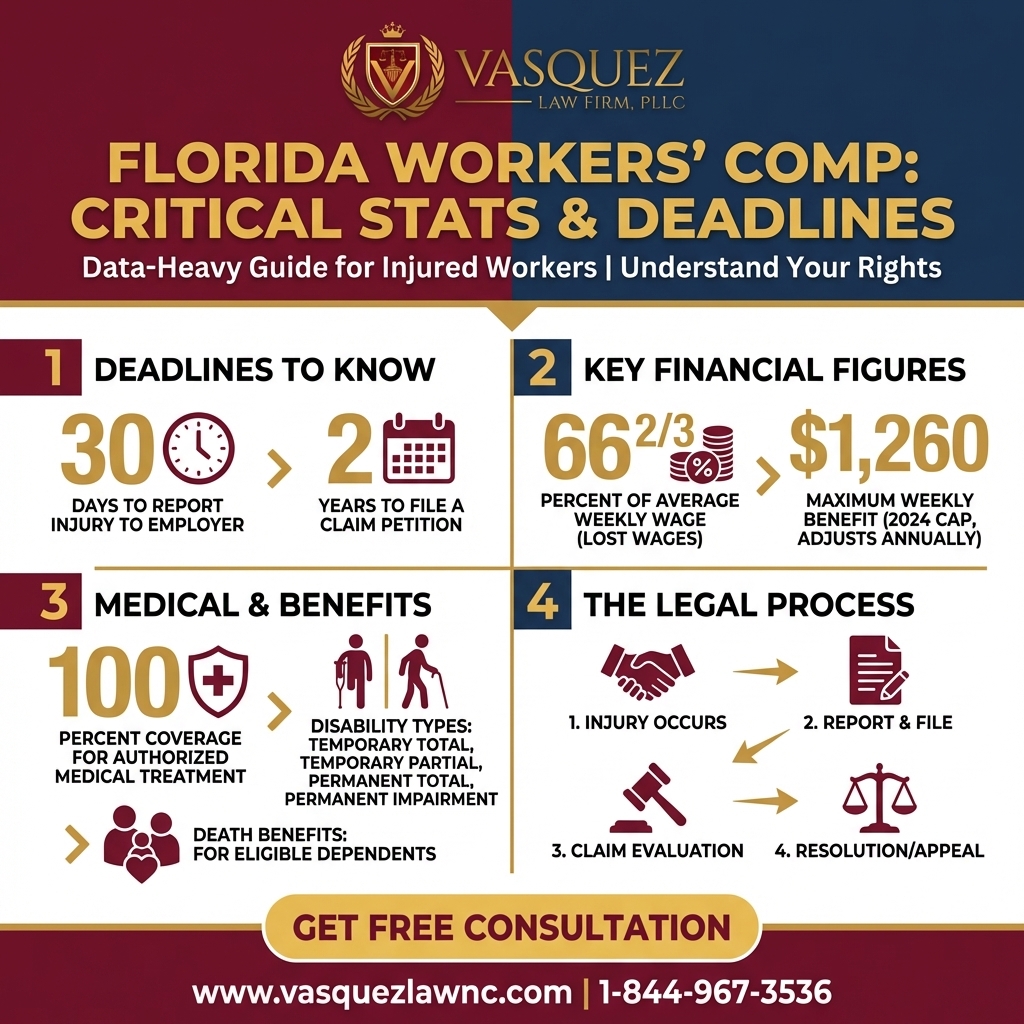
For Employees: If injured at work, report the injury to your employer immediately. Document everything: date, time, location,
Under the new rules, be prepared to provide detailed documentation to support your claim. If your claim is denied, you have the right to appeal the decision. Consider seeking legal representation from an experienced workers' compensation attorney to understand your rights and navigate the complex claims process. The Vasquez Law Firm suggests this is a good idea.
For Employers: Review your existing workers' compensation policies and procedures to ensure they are compliant with the new regulations. Update your safety training programs and risk management strategies to minimize the likelihood of workplace injuries. Communicate the changes to your employees and provide them with the information they need to understand their rights and responsibilities.
Ensure your insurance broker is aware of the changes and is prepared to adjust your coverage accordingly. Maintain accurate records of all workplace injuries and claims. Be prepared to respond to claims promptly and fairly. Resources like the Florida Division of Workers' Compensation website can provide valuable guidance and support.
Resources and Further Information
For more detailed information about Florida’s workers’ compensation laws and the 2026 changes, visit the Florida Division of Workers' Compensation website:
Winer Law Group provides legal insights and updates on Florida workers’ compensation issues:
Brandon J. Broderick offers analysis and commentary on the Florida workers’ compensation system:
FUBA Agent Bulletin provides updates and information for workers’ compensation agents:



No comments yet. Be the first to share your thoughts!