

Your Brain on Leave: Mental Health & Work
Imagine this: you’re staring at your computer screen, but the words swim before your eyes. Deadlines loom, emails pile up, and a constant, low-level anxiety buzzes in your chest. Sound familiar? Many of us experience periods of intense stress and overwhelm at work. For a long time, the expectation was to just 'push through' – to separate personal struggles from professional life. But that’s changing.
We’re finally starting to recognize that mental health is health, and that taking time to address psychological well-being isn’t a luxury, it’s a necessity. Ignoring burnout, anxiety, or depression doesn't make them disappear; it often makes them worse, impacting productivity, relationships, and overall quality of life. Employers are beginning to understand this, too, though progress is uneven.
Historically, there’s been a significant stigma attached to mental health leave. Employees fear judgment, career repercussions, or simply not being believed. Thankfully, mental health leave laws are evolving to provide greater protections and encourage people to seek help when they need it. This shift isn't just about legal compliance; it's about creating workplaces where people feel safe and supported. Seeking help is a sign of strength, not weakness, and it’s essential for a healthy, productive workforce.
FMLA & Mental Health: What’s Covered?
The Family and Medical Leave Act (FMLA), enacted in 1993, is a federal law that provides eligible employees with up to 12 weeks of unpaid, job-protected leave per year. While often associated with physical illnesses or the birth of a child, FMLA can also cover mental health conditions. However, there are specific requirements that must be met.
To be eligible for FMLA, you generally need to have worked for your employer for at least 12 months, have worked at least 1,250 hours over the past 12 months, and work at a location where the company employs 50 or more employees within a 75-mile radius. These are fairly strict requirements, and many workers don’t qualify. You can find detailed information about eligibility on the Department of Labor’s website (dol.gov).
Under FMLA, a 'serious health condition' that qualifies for leave includes any condition that requires inpatient care or continuing treatment by a healthcare provider. This means that if you’re diagnosed with a mental health condition like severe depression or anxiety and are receiving ongoing care from a therapist or psychiatrist, you may be eligible for FMLA leave. It's important to remember that FMLA is unpaid leave, which can be a significant financial burden for many families.
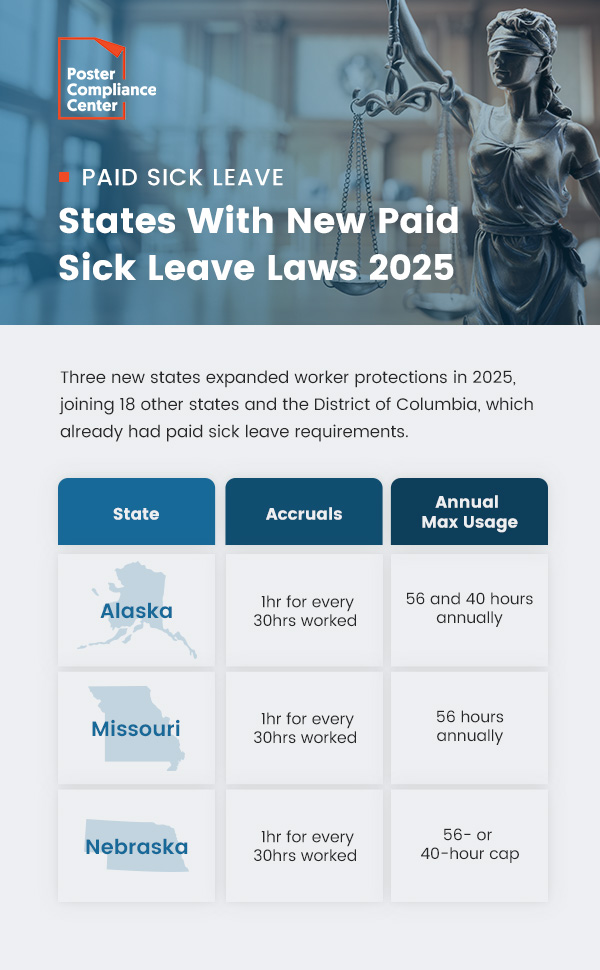
Paid Leave States: A Growing Trend
While FMLA provides job protection, the lack of pay is a major drawback. Fortunately, a growing number of states are implementing paid family and medical leave programs that specifically cover mental health. These programs offer a percentage of your regular wages while you’re on leave, providing much-needed financial support.
California, Massachusetts, Washington, and New York are among the leaders in this area. In California, for example, the State Disability Insurance (SDI) program provides partial wage replacement for eligible workers taking leave for mental health reasons. Massachusetts offers a similar program through its Paid Family and Medical Leave (PFML) system. Washington’s program also covers mental health, and New York recently expanded its paid leave benefits.
The specifics of these programs vary by state. Generally, you’ll need to meet certain eligibility requirements related to work history and contributions to the state’s program. Benefit amounts typically range from 60-80% of your average weekly wages, up to a certain maximum. Duration of leave also varies, but is often around 12-16 weeks. I'm not sure about the exact benefit amounts for every state, but you can find details on each state’s labor department website. Keep an eye out, as more states are considering similar legislation.
- California: State Disability Insurance (SDI) program
- Massachusetts: Paid Family and Medical Leave (PFML)
- Washington: Paid Family and Medical Leave
- New York: Paid Family Leave
State Paid Family Leave Programs & Mental Health Coverage (as of late 2023/early 2024)
| State | Benefit Amount | Maximum Duration | Qualifying Mental Health Conditions | Application Process |
|---|---|---|---|---|
| California | Approximately 60-70% of usual wages | Up to 8 weeks within a 12-month period | Serious health condition as defined by the California Family Rights Act (CFRA), which includes mental health conditions requiring clinical treatment. | Through the California Employment Development Department (EDD). Requires employer notification and certification from a healthcare provider. |
| Colorado | 85% of the employee’s regular weekly wage | Up to 12 weeks per year | Mental health conditions are covered as part of the broader definition of ‘serious health condition.’ | Applications are submitted to the Colorado Department of Labor and Employment (CDLE). Requires employer notification and medical certification. |
| Connecticut | Up to 95% of wages | Up to 12 weeks in a 12-month period | Includes mental health conditions that necessitate inpatient care or continuing treatment by a health care provider. | Administered by the Connecticut Paid Leave Authority. Requires employer notification and supporting documentation from a healthcare professional. |
| Massachusetts | Up to 80% of average weekly wage | Up to 26 weeks combined for various qualifying events | Mental health conditions are covered under the definition of a ‘serious health condition.’ | Applications are filed with the Massachusetts Department of Family and Medical Leave (DFML). Requires employer notification and medical certification. |
| New Jersey | 66-80% of average weekly wage | Up to 12 weeks in a 24-month period | Covers mental health conditions that result in inpatient care or continuing outpatient treatment. | Through the New Jersey Department of Labor and Workforce Development. Requires employer notification and medical documentation. |
| New York | Up to 67% of average weekly wage | Up to 26 weeks | Includes mental health conditions that are diagnosed and treated by a healthcare professional. | Administered by the New York State Workers' Compensation Board. Requires employer notification and medical certification. |
| Oregon | Up to 65% of average weekly wage | Up to 12 weeks in a 12-month period | Mental health conditions are covered as part of the broader definition of a serious health condition. | Applications are submitted to the Oregon Employment Department (OED). Requires employer notification and medical certification. |
| Washington | Up to 90% of average weekly wage | Up to 12 weeks | Mental health conditions are covered under the definition of a qualifying medical condition. | Administered by the Washington State Employment Security Department. Requires employer notification and medical certification. |
Illustrative comparison based on the article research brief. Verify current pricing, limits, and product details in the official docs before relying on it.
Beyond State Laws: Company Policies
Many forward-thinking companies are recognizing that providing robust mental health benefits is not only the right thing to do, but also good for business. They’re going beyond legal requirements to offer more comprehensive support for their employees’ psychological well-being.
Some companies are introducing dedicated mental health days – days off specifically for employees to prioritize their mental health without needing to provide a reason. Others are expanding their Employee Assistance Programs (EAPs) to offer more extensive counseling services and resources. Still others are offering mental health stipends, allowing employees to access therapy, mindfulness apps, or other wellness programs.
Companies like Starbucks and LinkedIn have been praised for their mental health initiatives. Starbucks offers employees access to Headspace, a popular mindfulness app, and LinkedIn provides mental health resources through its Lyra Health partnership. This isn't just about avoiding lawsuits; it's about building a healthier, more productive workforce where employees feel valued and supported.
Questions for Your HR Department
- Dedicated Mental Health Days - Does the company offer specific, paid days off solely for mental health, separate from sick leave or vacation time?
- Employee Assistance Program (EAP) - What mental health resources are available through our EAP? What is the process for accessing these services, and is there a limit to the number of sessions?
- Mental Health Stipends/Reimbursements - Is there a mental health stipend or reimbursement program to help cover the cost of therapy, counseling, or other mental wellness services?
- Short-Term Disability (STD) Coverage - Does our short-term disability policy cover mental health conditions? What documentation is required to file a claim for mental health-related STD benefits?
- Leave of Absence Policies - What are the company’s policies regarding leaves of absence for mental health reasons, beyond STD? Are these leaves paid, unpaid, or a combination?
- Confidentiality Practices - What measures are in place to ensure the confidentiality of employees who seek mental health support through company resources?
- Manager Training - Does the company provide training to managers on recognizing and responding to employee mental health concerns?
- Wellness Program Integration - Are there mental health components integrated into the company’s broader wellness program, such as mindfulness workshops or stress management resources?
Workers' Comp & Psychological Injuries
It's possible, though often challenging, to file a workers' compensation claim for mental health injuries caused by workplace stress or trauma. Workers’ compensation is typically thought of for physical injuries, but it can cover psychological injuries if they arise out of and in the course of employment.
The biggest hurdle is proving a causal link between your work and your mental health condition. You’ll need to demonstrate that a specific work-related event or ongoing work conditions caused your PTSD, anxiety, or depression. This often requires strong medical evidence and witness testimony. It’s a high bar to clear.
There have been successful workers’ comp claims for PTSD experienced by first responders, social workers, and others who regularly witness traumatic events. However, claims based on general workplace stress are often denied. The legal landscape varies by state, so it’s essential to consult with a workers’ compensation attorney if you’re considering filing a claim. These cases are complex, and legal guidance is highly recommended.
Navigating Disclosure: To Tell or Not to Tell?
Deciding whether to disclose a mental health condition to your employer is a deeply personal one. There are potential risks and benefits to consider. On the one hand, disclosure could lead to accommodations that help you manage your condition and perform your job effectively. On the other hand, you might face stigma, discrimination, or negative career consequences.
The Americans with Disabilities Act (ADA) protects qualified individuals with disabilities from discrimination in the workplace. If your mental health condition substantially limits a major life activity, you may be entitled to reasonable accommodations. However, the ADA requires you to disclose your condition to request an accommodation.
If you choose to disclose, it’s important to do so strategically. Consider having a conversation with your HR representative or a trusted manager. Focus on how your condition affects your work and what accommodations would help you succeed. Be prepared to provide medical documentation. It’s also wise to document the conversation. Be realistic; even with legal protections, there’s always a risk of negative repercussions.
Michigan's Specifics: A Deep Dive
Michigan’s medical leave laws are outlined by the Michigan Civil Service Commission (MiCSC) and cover state employees. While Michigan does not currently have a statewide paid family and medical leave program, employees may be eligible for unpaid leave under the Family and Medical Leave Act (FMLA) if they meet the federal requirements. The MiCSC website (michigan.gov) provides detailed information on disability management and medical leave policies for state workers.
Michigan law also recognizes the possibility of workers’ compensation claims for mental health injuries, but, like other states, proving a direct causal link to work-related events is critical. The process for applying for medical leave in Michigan involves submitting a request to your supervisor and providing medical documentation from your healthcare provider.
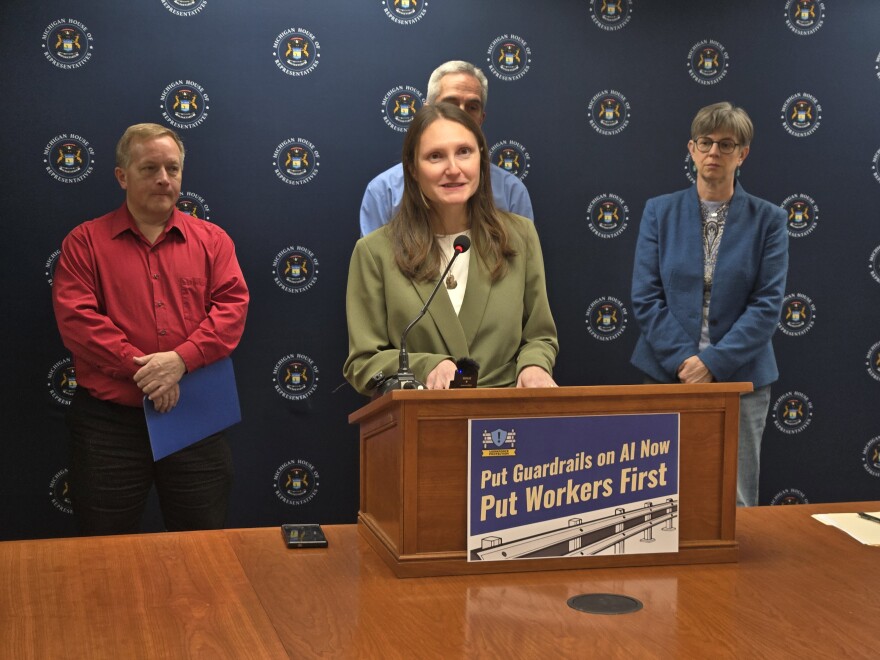
Recent updates to Michigan’s laws haven't specifically targeted mental health leave, but there is growing discussion about the need for a statewide paid family and medical leave program that would include mental health coverage. For state employees, the MiCSC regularly updates its policies, so it’s important to check their website for the latest information.
Looking Ahead: 2026 and Beyond
The conversation around mental health in the workplace is only going to intensify. I anticipate that more states will adopt paid family and medical leave programs, and that these programs will increasingly include mental health coverage. We may also see more federal legislation aimed at expanding employee mental health protections.
The stigma surrounding mental health is slowly decreasing, but there’s still a long way to go. As younger generations enter the workforce, they’re bringing with them a more open and accepting attitude towards mental health, which will likely drive further change. I think we’ll see a continued push for greater employee protections and a more supportive work environment.
However, progress won't be linear. There will likely be resistance from some employers and political challenges to overcome. The future of workplace mental health support will depend on continued advocacy, education, and a commitment to creating a healthier, more humane work culture.

No comments yet. Be the first to share your thoughts!