

The shifting definition of employee
I recently spoke with a delivery driver, Sarah, who was completely unsure if she was truly an independent contractor. She used her own car, set her own hours… but the app dictated where she drove and when she accepted orders. This confusion is increasingly common. For decades, the line between employee and independent contractor was relatively clear, but the gig economy is blurring it beyond recognition.
Traditionally, the distinction hinged on three key factors: control, financial investment, and opportunity for profit or loss. Employees are generally subject to a company’s control over how they do their work. They often receive benefits like health insurance and paid time off. Contractors, on the other hand, are supposed to have more autonomy, invest in their own tools and resources, and bear the risk of losing money. But what happens when a platform controls access to work without directly controlling the method of work?
Independent contractor status has a long history, initially intended for skilled tradespeople or professionals operating their own businesses. It allowed companies to avoid payroll taxes and benefits costs. However, as the gig economy exploded, this arrangement began to be used more broadly, often with workers lacking the traditional hallmarks of self-employment. This has led to a wave of legal challenges and, ultimately, the push for new legislation.
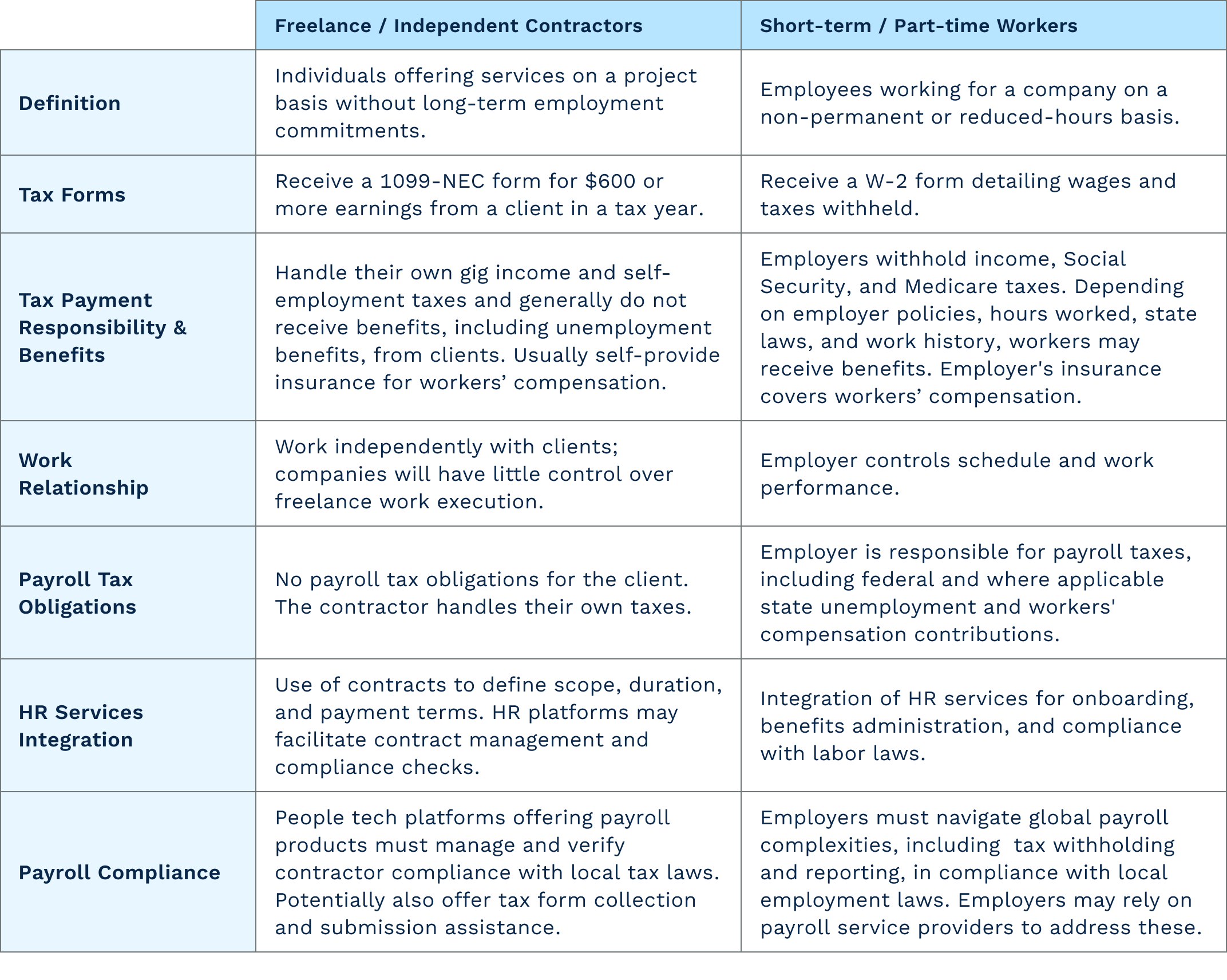
Rules for worker classification are changing in 2026. These updates aim to tighten the definitions of who is an employee and who is a contractor. While the legal details are dense, the practical shift means many people currently working as contractors will likely be reclassified.
The modern worker empowerment act
H.R. 1319, the Modern Worker Empowerment Act, currently before Congress, represents a major attempt to address the challenges posed by the gig economy. It isn’t simply about defining a contractor; it's about addressing what many see as a widespread misclassification of workers, leaving them without the protections they deserve. The bill aims to level the playing field and ensure that workers are classified according to their actual level of control and dependence.
The Act revises how we determine employee status by focusing on economic reality rather than old common-law factors. It looks at whether a worker is essential to the company's main business and how much control the company actually has over their daily tasks.
The word 'integral' is the main sticking point. Since the bill doesn't define it, we'll likely see court battles over which roles are actually essential. Companies are also already looking for ways to hide their influence through platform design to avoid the 'control' label.
The Act also includes provisions related to data transparency, requiring companies to provide workers with clear information about how their data is being used and how algorithms are impacting their earnings. This is a response to concerns about algorithmic management and its potential to unfairly disadvantage workers. The overall goal is to provide gig workers with greater clarity, control, and protection in a rapidly evolving labor market.
- Clarifies the definition of “employee” and “independent contractor”, emphasizing economic realities.
- Requires greater data transparency from gig platforms regarding algorithms and worker data.
- Provides a pathway for workers to challenge misclassification.
- Establishes penalties for companies that intentionally misclassify workers.
Essential Resources for Understanding Gig Worker Classification in 2026

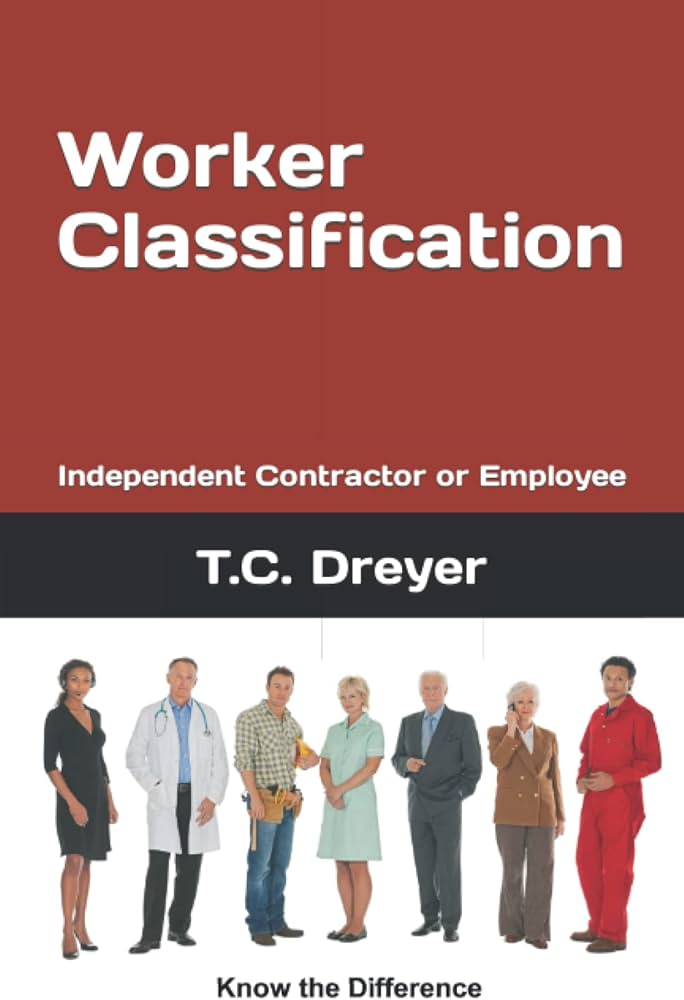
Comprehensive overview of employment law principles. · Covers essential topics for understanding workplace regulations. · A foundational resource for legal professionals and students.
This book offers a solid foundation in employment law, crucial for understanding the nuances of worker classification.
Step-by-step guide to forming an LLC. · Includes essential legal documents and forms. · Designed for quick and efficient business setup.
While not directly about classification, understanding business structures like LLCs is vital for gig workers considering their own business entity.

Provides a financial framework for hiring decisions. · Aims to build confidence in managing a workforce. · Offers practical guidance for small businesses.
This handbook assists small businesses in making informed decisions regarding hiring, which directly relates to understanding worker classification.
](https://m.media-amazon.com/images/I/810hPUSdp6L._AC_UY654_QL65_.jpg)
Focuses on fundamental labor and employment law concepts. · Tailored for paralegal studies. · Includes access to a connected eBook for enhanced learning.
This resource provides a detailed legal perspective on labor and employment law, beneficial for understanding the legal frameworks surrounding worker status.

Simplifies key business law terms and concepts. · Covers essential areas including employment law. · Aimed at small business owners for clear understanding.
This guide offers clear definitions of critical legal terms, making complex employment law concepts more accessible for business owners and gig workers.
As an Amazon Associate I earn from qualifying purchases. Prices may vary.
How the ABC test works
The "ABC’ test is gaining traction as a key method for determining worker classification. It’s a stricter standard than the traditional common-law test, and it"s already been adopted in several states, most notably California with its AB5 law. Essentially, a worker is presumed to be an employee unless the company can prove all three conditions of the ABC test are met.
Let’s break down what each letter means. 'A' stands for control – the company cannot control how the work is performed, only the result. 'B' pertains to the worker performing work that is outside the usual course of the company’s business. And 'C' means the worker is independently engaged in a trade, occupation, or business. This final point often proves to be the most contentious.
California’s experience with AB5 has been…mixed. While it initially extended benefits to many previously misclassified workers, it also created exemptions for certain professions, and faced significant pushback from companies and some workers. The Michigan Journal of Economics, in a recent analysis, noted the unintended consequences of AB5, including reduced opportunities for some freelance workers and increased litigation costs for businesses.
The ABC test represents a significant departure from older classification methods, which often focused on the level of control a company exerted over a worker’s day-to-day activities. It shifts the burden of proof onto the company to demonstrate that a worker is truly an independent contractor. Several states are now considering adopting similar tests, while others are exploring alternative approaches.
Gig Worker Classification Tests: A Comparison
| Test Name | Control Factor | Financial Investment Factor | Opportunity for Profit/Loss Factor | Key Strengths | Key Weaknesses |
|---|---|---|---|---|---|
| ABC Test | Significant control by the company over *how* the work is performed is a key indicator of employee status. | Minimal financial investment by the worker suggests employee status; worker provides little of their own tools/expenses. | Limited opportunity for substantial profit or loss based on independent business decisions suggests employee status. | Provides a clear, bright-line rule; relatively easy to apply. | Can be overly rigid; may misclassify workers who have some degree of autonomy but are still economically dependent. |
| Economic Realities Test | Focuses on the degree of control exercised by the employer, but also considers other economic factors. | Considers the worker's investment in tools and materials, as well as their opportunity to increase profits through managerial skill. | Significant opportunity for profit or loss is a strong indicator of independent contractor status. | More flexible and nuanced than the ABC test; considers the totality of the circumstances. | Can be subjective and difficult to apply consistently; prone to litigation. |
| Control Test | Examines the extent of the employer's right to control not only *how* the work is done, but also the *details* of its performance. | Worker's investment in facilities and equipment is assessed; substantial investment suggests independent contractor status. | Opportunity for profit or loss is considered, but often less emphasized than the degree of control. | Widely adopted and understood; has a long history of application in employment law. | Can be overly focused on control to the exclusion of other relevant economic factors. |
| Hybrid Approaches | Often combine elements of the Economic Realities and Control tests, weighing multiple factors. | Evaluates the worker’s investment alongside the degree of control exerted by the company. | Considers the potential for both profit and loss, alongside the worker’s entrepreneurial independence. | Offers a more comprehensive assessment, potentially leading to more accurate classifications. | Can be complex and require significant legal analysis. |
| H.R.1319 Considerations (2025-2026) | Legislative efforts like H.R.1319 aim to clarify worker classification, potentially impacting the application of these tests. | May introduce new factors or weightings to existing tests, depending on final legislation. | Potential changes to the definition of 'employee' and 'independent contractor' are under consideration. | Could provide greater certainty for both workers and companies. | Legislative outcomes are uncertain and subject to political debate. |
Illustrative comparison based on the article research brief. Verify current pricing, limits, and product details in the official docs before relying on it.
State-Level Variations in 2026
Predicting the exact state-level changes by 2026 is a challenge, as legislation is constantly evolving. However, we can identify some clear trends and anticipate which states will be at the forefront of these changes. California, having already implemented AB5, is likely to see further refinement of its rules, potentially with more targeted exemptions.
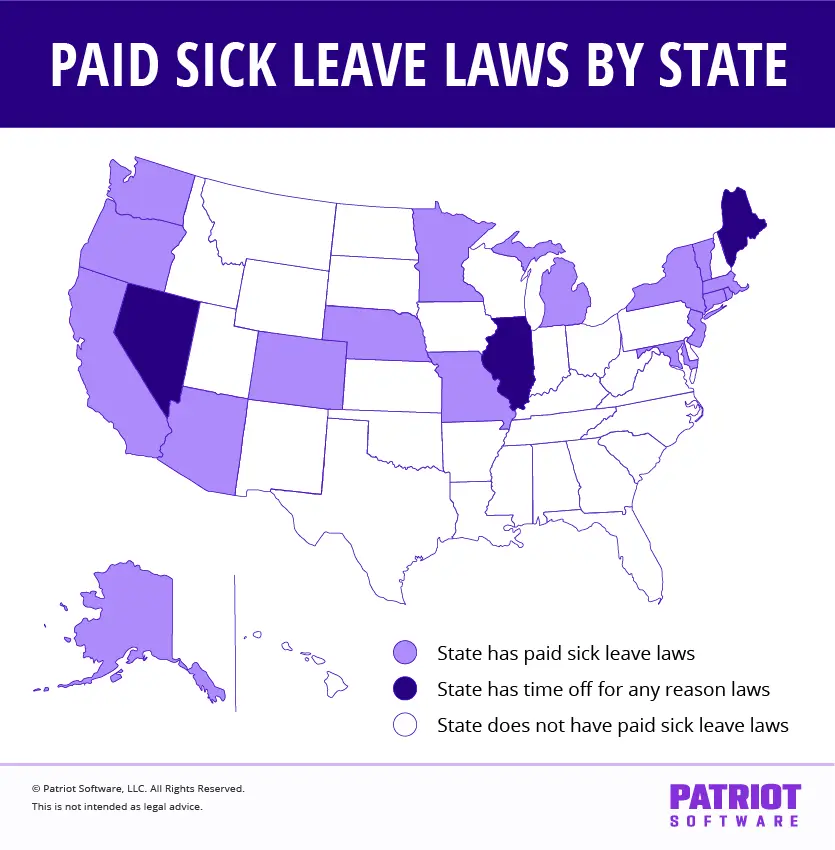
Texas, with its large and relatively unregulated gig economy, is currently resisting stricter worker classification laws. The state’s political climate favors business interests, and there’s strong opposition to measures that could increase labor costs. However, pressure from worker advocacy groups and potential federal intervention could force a shift in the future. Florida is taking a similar stance, prioritizing business flexibility over worker protections.
New York is a different story. The state has been more receptive to calls for greater worker protections, and is actively considering legislation that would adopt a modified version of the ABC test. The high concentration of gig workers in New York City makes this a particularly important issue. Other states, like Massachusetts and Illinois, are also exploring potential reforms.
The differing approaches reflect a complex interplay of political ideologies, economic considerations, and labor market dynamics. States with strong labor movements and a history of worker protections are more likely to embrace stricter regulations, while states with a pro-business climate are likely to resist them. The outcome will have a significant impact on the future of the gig economy across the country.
- California is refining AB5 and may add specific exemptions for certain industries.
- Texas: Continued resistance to stricter regulations, prioritizing business flexibility.
- Florida: Similar to Texas, favoring minimal government intervention.
- New York: Active consideration of legislation adopting a modified ABC test.
- Massachusetts & Illinois: Exploring potential reforms to worker classification.
Who gets hit hardest
Certain gig economy sectors are more vulnerable to the impending changes in worker classification than others. Delivery services like Uber Eats and DoorDash, and rideshare companies like Lyft and Uber, are particularly at risk. These platforms rely heavily on a large pool of drivers who are currently classified as independent contractors. Reclassifying these workers as employees would significantly increase their labor costs.
Freelance writing, design, and software development are also likely to be affected, although to a lesser extent. While these workers often have more autonomy than delivery or rideshare drivers, the increasing use of platforms to connect freelancers with clients raises questions about control and dependence. The vulnerability will largely depend on the specific terms of engagement and the level of control exerted by the platform.
Companies may adapt in several ways. Some may reclassify workers as employees, absorbing the increased costs. Others may attempt to change their business models, perhaps by offering more flexible contracts or reducing their level of control over workers. Still others may choose to fight the changes in court, arguing that their current classification practices are legal.
The potential impact on consumer prices is uncertain. If companies are forced to increase labor costs, they may pass those costs on to consumers in the form of higher fees or prices. However, increased competition and innovation could mitigate these effects. It’s a complex equation with no easy answers.
Resources for Gig Workers
Navigating these changes can be overwhelming. Fortunately, a number of resources are available to help gig workers understand their rights and protect themselves. The U.S. Department of Labor (dol.gov) provides information on federal wage and hour laws, including guidance on employee vs. contractor classification.
State labor departments offer similar resources, tailored to the specific laws of each state. Legal aid organizations, such as the National Employment Law Project (nelp.org), provide free or low-cost legal assistance to workers. Worker advocacy groups, like the Gig Workers Rising (gigworkersrising.org), advocate for the rights of gig workers and provide educational resources.
- The U.S. Department of Labor website has guides on federal wage laws and classification.
- State Labor Departments: State-specific laws and resources.
- National Employment Law Project (nelp.org): Free or low-cost legal assistance.
- Gig Workers Rising (gigworkersrising.org): Advocacy and educational resources.
Helpful Resources
- U.S. Department of Labor (DOL) - The DOL enforces federal labor laws and provides information on worker classification, including guidance on independent contractor status under the Fair Labor Standards Act.
- Internal Revenue Service (IRS) - The IRS determines worker status for tax purposes, using a common-law test to differentiate between employees and independent contractors, impacting tax obligations for both workers and companies.
- National Labor Relations Board (NLRB) - The NLRB addresses issues related to employee rights to organize and collectively bargain, and its rulings can impact how gig workers are classified in relation to traditional employment.
- State Labor Agencies - Each state has its own labor department that enforces state-specific employment laws, which may differ from federal guidelines regarding worker classification; check your state's website for details.
- Legal Aid Societies - Numerous legal aid organizations across the country offer free or low-cost legal assistance to workers, including guidance on misclassification issues and potential claims.
- National Employment Law Project (NELP) - NELP is a non-profit organization advocating for the rights of low-wage workers, including those in the gig economy, and provides research and legal support.
- Work Rights at MIT - A project of the MIT Law School, Work Rights at MIT provides resources and information on worker rights, including a section dedicated to independent contractor misclassification.
No comments yet. Be the first to share your thoughts!