

Mental Health Leave: The Big Picture
Sarah, a marketing manager, often feels anxious about work, struggles to concentrate, and experiences panic attacks. She needs time to address her mental health but worries about losing her job. This is a reality for many Americans. The conversation around mental health in the workplace is shifting, recognizing that mental well-being is as important as physical health.
Taking time off for mental health used to be seen as a sign of weakness, something to be hidden. While that's changing, stigma remains. People increasingly understand that addressing mental health concerns can improve productivity and well-being.
The Family and Medical Leave Act (FMLA) provides some protection, but it has limitations. It was originally designed with physical health conditions in mind, and its application to mental health can be complex. While the FMLA can cover mental health conditions, the requirements are often stricter than for physical illnesses. This is where state-level laws come into play, offering varying degrees of protection and support.
This article breaks down mental health leave laws across the US as of 2026, helping employees understand their rights and employers their obligations. We explore what the FMLA covers, how state laws differ, and available resources. The goal is to empower people to prioritize their mental health without fear of jeopardizing their livelihood.
FMLA & Mental Health: What It Covers (and Doesn’t)
The Family and Medical Leave Act (FMLA) entitles eligible employees to up to 12 weeks of unpaid, job-protected leave per year. But qualifying for FMLA leave for a mental health condition isn't automatic. First, you need to meet the basic eligibility requirements: you must have worked for your employer for at least 12 months, have worked at least 1,250 hours over the past 12 months, and work at a location where the company employs 50 or more employees within a 75-mile radius.
What constitutes a “serious health condition” under the FMLA when it comes to mental health? According to the Department of Labor, it generally involves either inpatient care (like a stay in a psychiatric hospital) or continuing treatment by a healthcare provider. This continuing treatment must include regular visits – it’s not enough to just have a single therapy session.
The FMLA’s mental health coverage is more restrictive than many realize. It’s not a safety net for all stress or emotional difficulty. The condition must be diagnosed and require ongoing medical attention. Many assume any mental health concern qualifies for FMLA leave, which isn't the case.
Common reasons for FMLA denial for mental health claims include insufficient medical documentation, not meeting the "serious health condition" definition, or not following proper procedures. Employers can request medical certification from your healthcare provider and challenge documentation they deem insufficient. This process is frustrating and often requires self-advocacy.
- Worked for your employer for at least 12 months.
- Worked at least 1,250 hours over the past 12 months.
- Work at a location where the company employs 50 or more employees within a 75-mile radius.
State Laws: A Coast-to-Coast Comparison
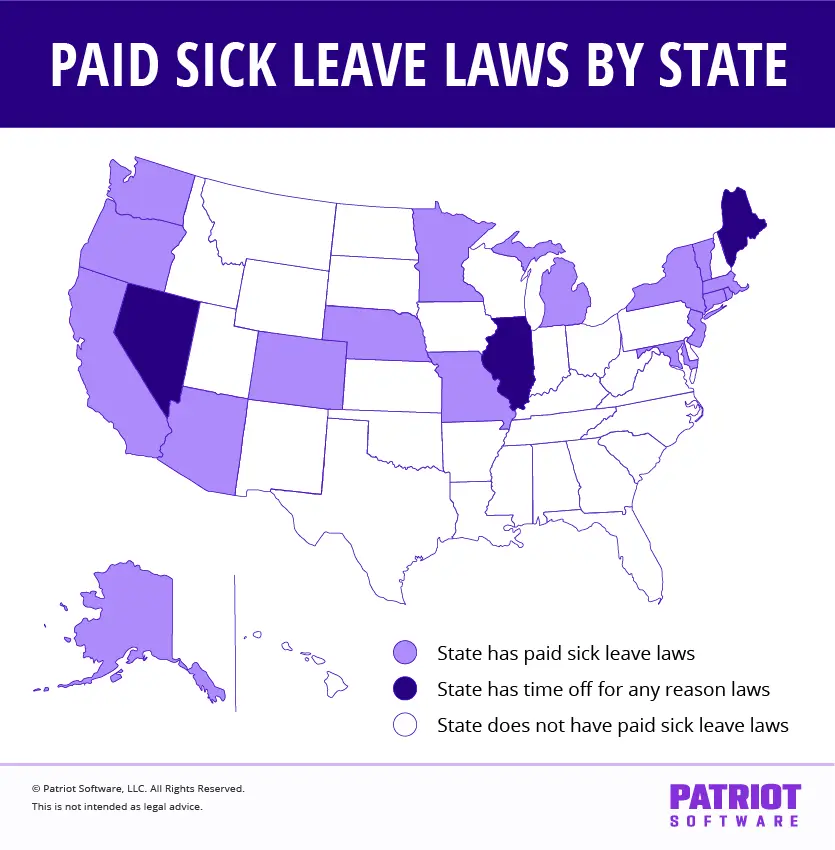
While the FMLA sets a federal baseline, many states have enacted their own mental health leave laws. These laws vary in eligibility, leave length, job protection, and whether the leave is paid. Understanding your state’s specific laws is important.
California is a leader in this area, with a comprehensive paid family leave program that can cover mental health needs. Employees can receive up to 66% of their wages for up to eight weeks. New York also offers paid family leave, covering similar benefits. Massachusetts provides up to 12 weeks of paid family leave, which can be used for mental health reasons.
Washington State has a particularly robust program, offering paid family and medical leave for a wide range of reasons, including mental health. Employees can receive up to 90% of their weekly wage for up to 12 weeks. States like Connecticut, Oregon, and Maryland have also enacted paid leave laws that include mental health coverage, though the specifics differ.
Several other states are expanding on the FMLA’s protections without offering paid leave. For example, Illinois allows employees to use accrued sick leave for mental health conditions. Pennsylvania has no specific state-mandated mental health leave, relying solely on the FMLA. It’s a real disparity, and employees in these states have fewer options.
It’s impossible to provide an exhaustive list here, as laws are constantly evolving. However, resources like the Department of Labor and your state’s labor agency can provide up-to-date information. I’m not sure we can cover every state in detail, but it’s important to know where to find the information you need. Here’s a quick look at a few more:
Colorado: Allows for paid leave for mental health conditions under the state’s Family and Medical Leave Insurance (FAMLI) program, beginning in 2024.
New Jersey: Offers paid family leave that covers mental health, providing up to 85% of wages for up to 12 weeks.
Rhode Island: Provides temporary disability insurance (TDI) that can be used for mental health conditions, offering benefits for up to 26 weeks.
- California: Up to 66% wage replacement for 8 weeks.
- New York: Paid family leave covering mental health.
- Massachusetts: Up to 12 weeks of paid family leave.
- Washington: Up to 90% wage replacement for 12 weeks.
State Mental Health Leave Provisions (2026)
| State | Paid/Unpaid | Length of Leave | Eligibility | Job Protection | Notes |
|---|---|---|---|---|---|
| California | Paid | Up to 5 days per year | Employees who have worked for the employer for 30 days or more. | Yes | California provides paid mental health leave through its State Disability Insurance (SDI) program, covering conditions requiring medical treatment. |
| Colorado | Paid | Up to 12 weeks per year | Employees who have worked for at least 180 days. | Yes | Colorado’s FAMLI program provides paid leave for mental health needs, alongside other qualifying reasons. |
| Connecticut | Paid | Up to 12 weeks in a 12-month period | Employees who have worked for at least 3 months. | Yes | Connecticut Paid Family and Medical Leave covers mental health conditions, including those requiring inpatient or outpatient care. |
| Maryland | Paid | Up to 12 weeks in a 24-month period | Employees who work at least 60 days. | Yes | Maryland’s program covers mental health conditions diagnosed by a healthcare provider. |
| New York | Paid | Up to 20 weeks | Employees who have worked for at least 26 weeks. | Yes | New York’s Paid Family Leave program includes mental health leave for employees or to care for family members. |
| Oregon | Paid | Up to 12 weeks per year | Employees who have worked for at least 30 days. | Yes | Oregon’s Paid Leave Oregon program covers mental health conditions, and allows for intermittent leave. |
| Washington | Paid | Up to 12 weeks | Employees who have worked at least 3 months. | Yes | Washington’s Paid Family and Medical Leave program includes mental health leave for the employee's own condition or to care for a family member. |
| Illinois | Unpaid | Up to 16 weeks in a 12-month period | Employees who have worked for the employer for at least 1,250 hours in the 12 months preceding the leave. | Yes | Illinois law allows for unpaid leave for mental health, often running concurrently with FMLA if eligible. |
Illustrative comparison based on the article research brief. Verify current pricing, limits, and product details in the official docs before relying on it.
Short-Term Disability & Mental Health
Short-term disability (STD) insurance can cover mental health conditions, but it's often harder to access than FMLA leave. FMLA provides job protection, while STD insurance provides income replacement. Approval requirements can be stringent.
Getting STD benefits approved for mental health often requires extensive medical documentation, including a diagnosis from a qualified healthcare professional, a detailed treatment plan, and evidence that the condition prevents you from performing your job duties. Insurance companies often scrutinize mental health claims more closely than physical health claims, and denials are common.
There’s a significant difference between state-mandated STD and employer-provided STD. A few states (like California, New Jersey, and Rhode Island) have state-mandated STD programs, while most rely on employer-provided plans. The coverage and eligibility requirements vary widely depending on the state and the specific insurance policy.
Navigating the STD process for mental health can be difficult and frustrating. Be prepared to advocate for yourself, gather thorough documentation, and potentially appeal a denial. Understand the specific terms of your STD policy and your employer's leave policies.
Navigating the Leave Process: A Step-by-Step Guide
Seeking mental health leave can feel overwhelming. Here’s a guide to help you navigate the process. First, talk to your doctor. Get a professional diagnosis and develop a treatment plan. This is the foundation of your leave request.
Next, understand your company’s policies. Review your employee handbook and HR materials to learn about their specific leave procedures. Knowing your company’s rules helps avoid mistakes and ensures a smoother process.
Then, submit a leave request in writing to your HR department or manager. Clearly state the reason for your leave (mental health condition) and the amount of time you’re requesting. Be professional and concise.
Gather documentation. This includes your doctor’s diagnosis, treatment plan, and any supporting medical records. More documentation strengthens your claim.
Communicate with your employer. Keep them updated on your progress and expected return date. Open communication helps maintain a positive working relationship.
Finally, know your rights. Familiarize yourself with the FMLA and your state’s mental health leave laws. If your leave request is denied, understand your options for appealing the decision. Seek legal advice if you believe your rights have been violated.
Employer Responsibilities & Legal Boundaries
Employers must comply with the FMLA and applicable state mental health leave laws. This includes providing eligible employees with required leave, protecting their jobs, and maintaining health insurance coverage. Ignoring these obligations can lead to costly legal consequences.
Confidentiality is paramount. Employers must protect the privacy of employees who request mental health leave. Sharing sensitive medical information with others violates privacy laws. It’s about creating a supportive and respectful workplace.
Employers often worry about maintaining productivity and coverage during employee leave. While this is a legitimate concern, it cannot justify denying eligible employees their legal rights. Employers should plan for employee absences and explore options like temporary staffing or workload redistribution.
Creating a workplace that supports employee mental health is legally sound and good for business. It can lead to increased employee engagement, reduced absenteeism, and improved overall performance. Violating employee rights can result in lawsuits, fines, and damage to your company’s reputation.
Has your employer been supportive of your mental health needs?
Mental health leave laws are evolving across the country, but workplace culture plays a major role in whether employees feel comfortable exercising their rights. We want to hear from you — vote below and share your experience with our community!
Looking Ahead: Trends in Mental Health Leave
undefined coverage.
There’s also an expansion of coverage to include more conditions. Traditionally, FMLA leave for mental health was limited to serious conditions requiring inpatient care or ongoing treatment. However, there’s a growing recognition that less severe conditions, such as anxiety and depression, can also significantly impact an employee’s ability to work.
Increasingly, the focus is shifting towards preventative mental health care. Some employers are offering mental health benefits, such as employee assistance programs (EAPs) and mindfulness training, to help employees proactively manage their mental well-being. This is a positive trend, as prevention is often more effective than treatment.
I believe we’re likely to see more states adopting comprehensive mental health leave policies in the coming years. The pandemic has highlighted the importance of mental health, and there’s a growing public awareness of the issue. Technology is also playing a role, with telehealth and online therapy making mental health care more accessible. The future of work will undoubtedly include a greater emphasis on employee mental health.
Resources & Where to Get Help
Here are some valuable resources for employees and employers seeking information about mental health leave laws:
U.S. Department of Labor: (Information on FMLA and other workplace laws)
State Labor Agencies: Search online for your state’s labor agency to find specific information about state-level laws.
National Alliance on Mental Illness (NAMI): (Support and advocacy for individuals and families affected by mental illness)
Mental Health America: (Information, resources, and advocacy for mental health)
Legal Aid Organizations: Search online for legal aid organizations in your area for free or low-cost legal assistance.
Disclaimer: This article provides general information about mental health leave laws and is not intended as legal advice. You should consult with an attorney for specific guidance regarding your situation.
No comments yet. Be the first to share your thoughts!