
Major shifts coming in 2026
Federal labor laws change in 2026. These updates expand employee rights and set new transparency requirements. We are seeing a move toward stricter worker classification that affects how people get paid and which benefits they receive.
Much of this change is driven by a combination of new legislation and ongoing efforts by federal agencies like the Department of Labor (DOL). The DOL, for instance, has proposed new rules regarding employee or independent contractor status. These adjustments are also responding to broader trends, like the rise of remote work and the increasing use of artificial intelligence in the workplace.
We’re already seeing previews of these national trends in states like California. New worker protections taking effect there in 2026, such as expanded sick leave and requirements for workplace rights notices, often signal where federal policy is headed. The state’s focus on transparency and employee empowerment is setting a precedent. The Labor Workforce Development Agency (LWDA) in California is actively shaping these changes, and their actions are worth watching.
Court rulings and years of legal battles over gig work are driving these updates. The DOL's proposed rules respond directly to those cases. You'll need to track these specific rulings to see how your own job status might change.
Expanded sick leave protections
While a federal mandate for paid sick leave hasn’t yet materialized, we can expect to see expansions in the categories of illness covered under existing programs in 2026. This could include broader definitions of "family member" for whom leave can be taken, and potentially coverage for mental health days or preventative care. The push is towards recognizing that employee health encompasses more than just physical illness.
The amount of sick leave employees are entitled to may also increase, though this will likely vary by location and employer size. Accrual rates could become more generous, allowing employees to build up sick leave more quickly. Some proposals suggest a tiered system, where employees earn more sick leave based on their tenure with the company. It’s a move intended to incentivize loyalty and recognize long-term contributions.
Eligibility requirements are a critical point. Currently, many sick leave policies exclude part-time or temporary workers. These exclusions are coming under increased scrutiny, and we may see efforts to extend coverage to a wider range of employees. However, there will likely be debates about the cost implications for businesses. The specifics will be hotly contested.
How these federal changes interact with state-level sick leave laws is another important consideration. States like California already have robust paid sick leave programs. The federal regulations will likely aim to create a baseline standard, allowing states to offer even more generous benefits. Workers should always check both federal and state laws to understand their full rights.
Pay transparency rules
Federal efforts to increase pay transparency are gaining serious momentum. New regulations will require employers to disclose salary ranges in job postings, a move intended to address pay inequities and empower job seekers. This isn’t just about listing a number; it's about providing a clear understanding of the compensation package from the outset.
The information that must be included is still being finalized, but it will likely go beyond just the base salary. Employers may also need to disclose information about bonuses, stock options, and other forms of compensation. Best practice, however, goes further. Providing a detailed breakdown of the entire compensation package, including benefits and perks, can build trust with potential employees.
The potential impact on pay equity is significant. By making salary information public, employers will be held more accountable for fair pay practices. This could lead to a narrowing of the gender and racial pay gaps. However, some employers may respond by being less flexible with salary negotiations or by adjusting their pay structures.
Penalties for non-compliance can be substantial. The DOL is expected to impose fines for employers who fail to disclose salary ranges or who provide misleading information. It's crucial for employers to understand their obligations and ensure their job postings are fully compliant with the new regulations. Failure to do so could lead to legal challenges and reputational damage.
- Review all job postings to ensure they list salary ranges.
- Review all job postings for compliance.
- Train hiring managers on the new regulations.
- Be prepared to justify salary decisions.
- Update internal pay scales.
Independent contractor classifications
The ongoing debate about whether a worker is an employee or an independent contractor is far from over. The Department of Labor is poised to release new guidance and regulations in 2026, aiming to clarify the criteria for determining worker classification. This is a complex issue with significant implications for both workers and businesses.
The DOL is likely to adopt a more stringent test for determining independent contractor status, focusing on the degree of control the employer exercises over the worker. Factors such as scheduling, supervision, and the provision of tools and equipment will be closely scrutinized. The goal is to prevent companies from misclassifying employees as independent contractors to avoid paying taxes and benefits.
Misclassifying workers has serious consequences for companies. They can face significant fines, back taxes, and legal challenges. Workers who are wrongly classified as independent contractors are denied essential protections, such as minimum wage, overtime pay, and unemployment insurance. It’s a practice that can leave individuals financially vulnerable.
Workers who believe they have been wrongly classified as independent contractors have several options. They can file a complaint with the DOL, or they can pursue legal action. It’s important to gather evidence to support their claim, such as contracts, pay stubs, and communications with the employer. The legal process can be complex, so seeking legal advice is recommended.
New mandates for workplace rights notices
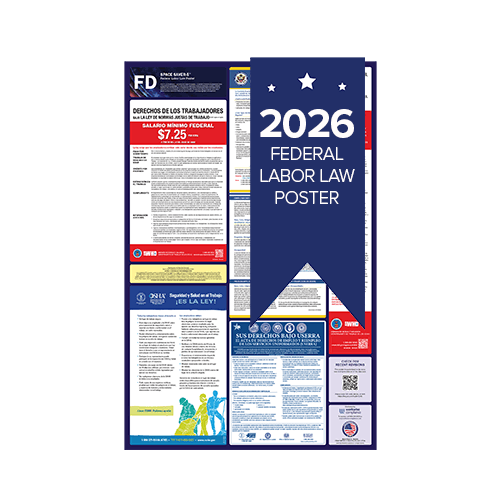
Following the lead of states like California, which requires annual workplace rights notices, we can anticipate similar federal mandates in 2026. The goal is to ensure that workers are fully aware of their rights and protections under the law. It’s about empowering employees to advocate for themselves.
These notices will likely need to include information about minimum wage, overtime pay, anti-discrimination laws, family and medical leave, and workplace safety regulations. The specific rights that must be included will be determined by the DOL. Employers will need to stay up-to-date on the latest requirements.
The frequency of updates is also important. The notices will need to be updated whenever there are changes to the law. Employers should establish a system for tracking these changes and ensuring their notices are current. Outdated information can lead to legal issues.
Preferred methods of delivery will likely include physical posting in common areas, as well as electronic distribution via email or company intranet. Employers may need to provide notices in multiple languages to accommodate a diverse workforce. Accessibility is key; the notices should be easy to understand and readily available to all employees.
Protecting workers from AI bias
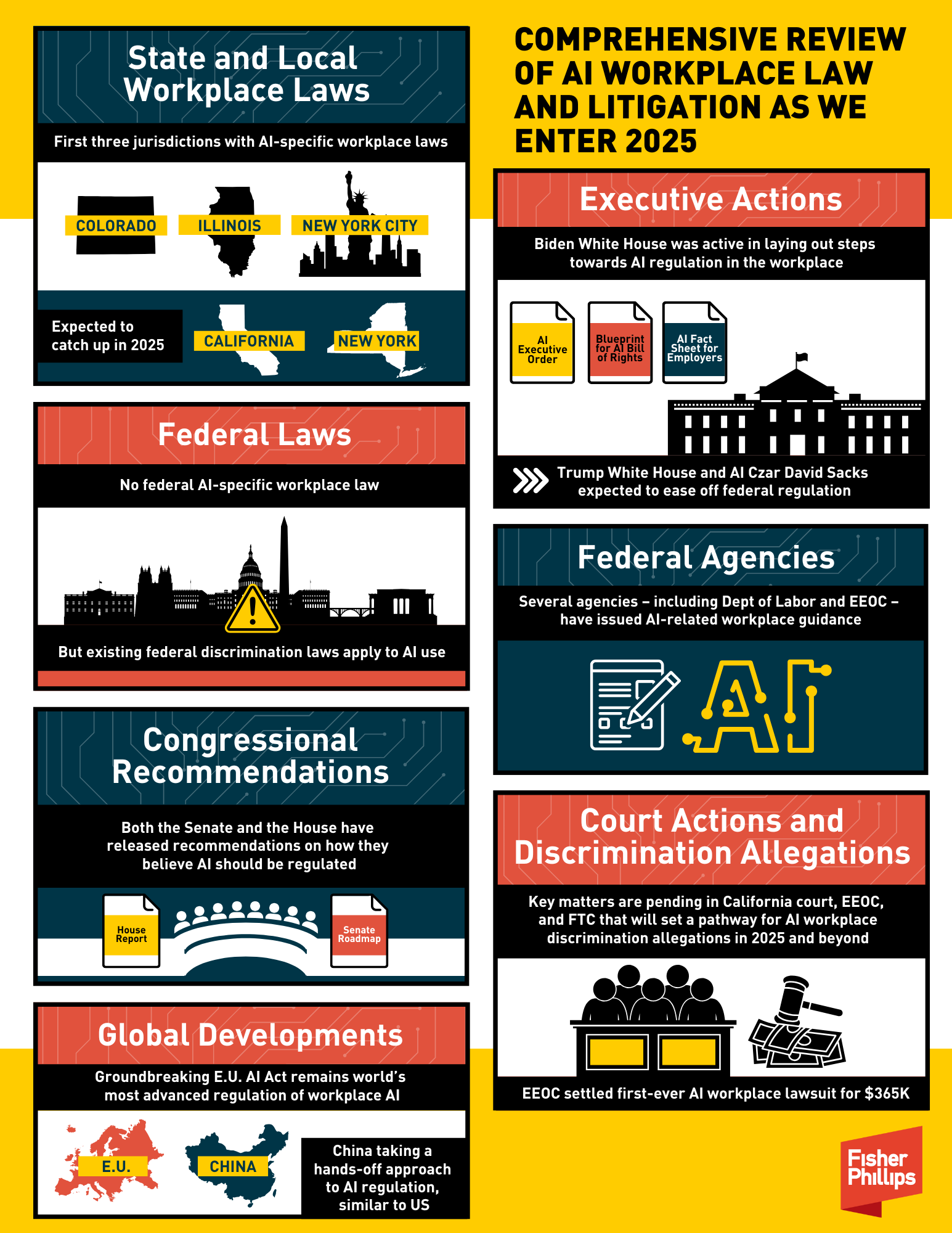
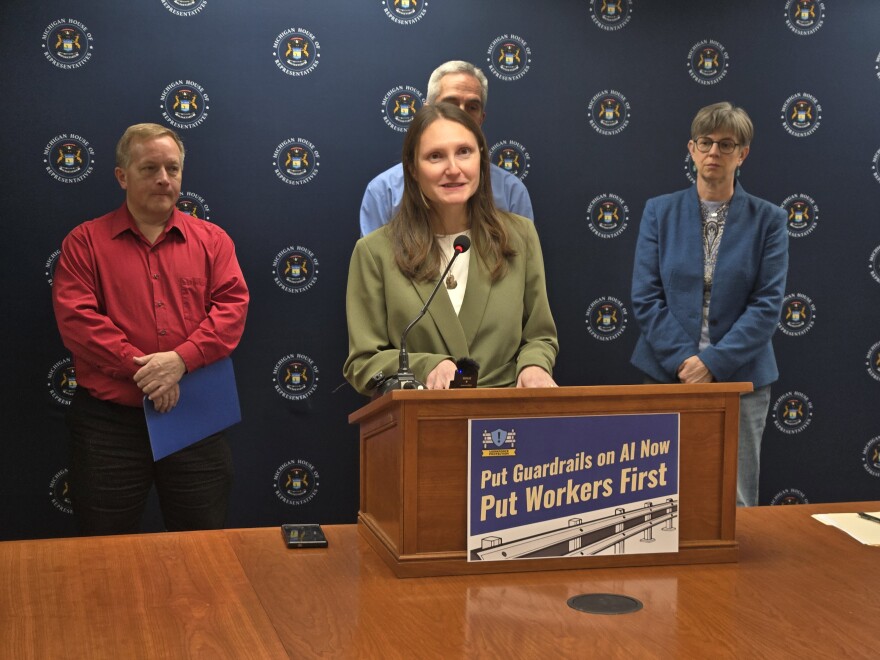
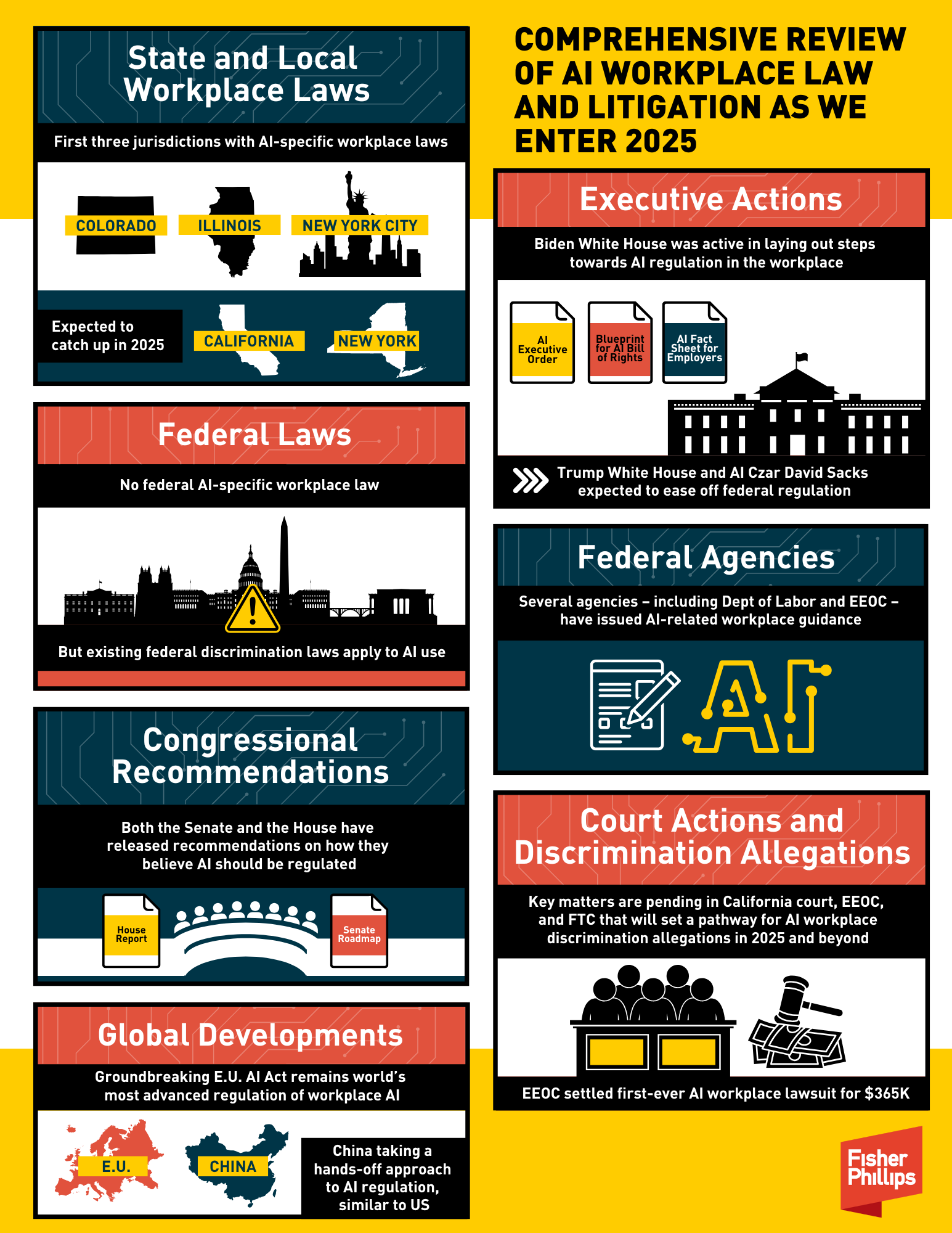
The increasing use of artificial intelligence in hiring and employment decisions raises concerns about potential bias. In 2026, we may see new regulations aimed at preventing algorithmic discrimination. This is a relatively new area of law, and the rules are still being developed.
The potential risks of algorithmic discrimination are significant. AI systems can perpetuate and even amplify existing biases, leading to unfair or discriminatory outcomes. For example, an AI-powered hiring tool might favor candidates from certain demographic groups or with specific educational backgrounds. The challenge lies in ensuring fairness and transparency in these systems.
The exact scope of these 2026 regulations is still unclear, but the DOL is expected to focus on how companies deploy hiring algorithms. Current proposals include mandatory bias audits for any software that filters resumes or scores interviews.
Workers who believe they have been unfairly treated by an AI-powered system may have recourse under existing anti-discrimination laws. They can file a complaint with the Equal Employment Opportunity Commission (EEOC) or pursue legal action. However, proving discrimination in these cases can be challenging, as the decision-making process of AI systems can be opaque.
- If an AI rejects your application, you have the right to ask for an explanation of the decision.
- Q: What if an AI rejects my application? A: You have the right to ask for an explanation.
- Q: Can I challenge an AI's decision? A: Yes, if you believe it's discriminatory.
- Q: Who is responsible for AI bias? A: The employer using the AI system.
No comments yet. Be the first to share your thoughts!