

Remote Work’s Legal Shift: 2024-2026
Remote work has changed dramatically in recent years. What started as a pandemic necessity is now a preferred arrangement for many. The legal framework is still catching up, with states creating new laws for a distributed workforce.
Employers face challenges with wage and hour compliance, workplace safety, and data security for remote employees. Employees have questions about expense reimbursement, workers' compensation, and fair treatment. The law is still changing.
2024-2026 is a significant period for remote work labor laws. States are trying different approaches, with no single standard yet. This challenges companies with employees in multiple states. The field is changing quickly, so staying informed is necessary.
The speed of change is a major hurdle. Laws are proposed and enacted so quickly that even diligent HR departments struggle to keep up. Employers must proactively monitor developments in states where they have remote employees.
Tracking Time & Pay: State-Specific Rules
Wage and hour laws are complex for remote workers. Employees must be paid for all hours worked, and overtime rules apply, but applying these principles is harder when employees aren't physically present. Accurate time tracking is essential, and employers need clear policies and procedures.
Several states have updated laws for remote employee time tracking. California clarifies rules for reimbursing necessary business expenses, like home office equipment and internet access. New York and Illinois are scrutinizing how employers track hours for non-exempt remote employees.
Ensuring remote employees accurately record time without direct supervision is difficult. Employers must address issues like employees working 'off the clock.' Time-tracking software can help, but clear communication and a culture of compliance are also vital.
A growing trend requires detailed record-keeping. Employers must demonstrate not just that an employee worked, but how those hours were worked. This is an administrative burden, but necessary in the current legal climate.
- California: Focus on expense reimbursement for home office costs.
- New York: Increased scrutiny of time tracking for non-exempt remote employees.
- Illinois: Similar focus on accurate timekeeping and overtime compliance.
State Regulations for Remote Workers - 2026
| State | Time Tracking Requirements | Expense Reimbursement Rules | Overtime Pay Rules | Penalties for Non-Compliance |
|---|---|---|---|---|
| California | Employers must make employees available for inspection of time records. While not specifically mandating a particular *method* of time tracking for remote workers, all hours worked must be accurately recorded. | Employees must be reimbursed for all necessary business expenses, including a portion of home office expenses if the remote work is for the employer's convenience. | California’s overtime rules apply to remote workers the same as in-office employees. Non-exempt employees are entitled to overtime pay after 8 hours in a workday or 40 hours in a workweek. | Failure to provide accurate wage statements or reimburse necessary expenses can result in significant penalties, including fines and potential lawsuits. Penalties can vary based on the severity and duration of the violation. |
| Colorado | Colorado requires employers to record all hours worked. Methods are not specifically prescribed, but records must be maintained for at least three years. | Colorado law requires reimbursement for reasonable and necessary expenses incurred by employees in the performance of their duties. This can include home office expenses. | Colorado follows the federal Fair Labor Standards Act (FLSA) regarding overtime pay. Overtime is generally required for non-exempt employees working over 40 hours per week. | Penalties for wage and hour violations can include back wage payments, civil penalties, and in some cases, criminal charges. |
| Florida | Florida does not have specific laws mandating time tracking methods. Employers are required to maintain records of hours worked for minimum wage and overtime purposes. | Florida does not have a general law requiring expense reimbursement for remote work. Reimbursement policies are often determined by company policy or employment agreements. | Florida generally adheres to the FLSA overtime rules, requiring overtime pay for non-exempt employees working over 40 hours per week. | Penalties for non-compliance with wage and hour laws can include fines, back wage payments, and potential legal action. |
| Illinois | Illinois requires employers to record the hours worked by employees. The method of recording is not specified by law. | Illinois law requires employers to reimburse employees for reasonable business expenses. This could include a portion of home office costs if the remote work arrangement is required by the employer. | Illinois overtime laws generally align with federal standards, requiring overtime pay for non-exempt employees working over 40 hours a week. | Violations of Illinois wage laws can result in fines, back wage payments, and potential civil lawsuits. |
| Nevada | Nevada law requires employers to keep accurate records of hours worked. The method of tracking is not specified. | Nevada does not have a specific statute addressing expense reimbursement for remote workers. Reimbursement is typically based on company policy. | Nevada generally follows the FLSA regarding overtime pay. Overtime is typically required for non-exempt employees working over 40 hours in a workweek. | Penalties for wage and hour violations can include fines, back wage payments, and potential legal action. |
| New York | New York requires employers to accurately record all hours worked by employees. Methods are not specifically prescribed. | New York requires employers to reimburse employees for necessary business expenses. This can include a portion of home office expenses if the remote work arrangement is for the employer's benefit. | New York overtime laws are complex and may exceed federal requirements. Employers must pay overtime to non-exempt employees working over 40 hours per week, and daily overtime may also apply. | Penalties for non-compliance with New York labor laws can be substantial, including fines, back wage payments, and potential criminal charges. |
| Texas | Texas does not have a state law mandating specific time-tracking methods, but employers must maintain records of hours worked for wage payment purposes. | Texas does not have a law requiring expense reimbursement for remote work. Policies are typically determined by the employer. | Texas generally follows the FLSA regarding overtime pay. Overtime is typically required for non-exempt employees working over 40 hours per week. | Penalties for wage and hour violations can include fines, back wage payments, and potential legal action. |
| Washington | Washington state requires employers to keep accurate records of hours worked by all employees, including remote workers. | Washington state requires employers to reimburse employees for all necessary expenses incurred while performing their job duties, which can include home office expenses. | Washington state overtime laws require employers to pay overtime to non-exempt employees who work over 40 hours in a workweek. | Penalties for non-compliance can include fines, back wage payments, and potential legal action. |
Illustrative comparison based on the article research brief. Verify current pricing, limits, and product details in the official docs before relying on it.
Workplace Safety: The Home Office
Employers must provide a safe working environment for remote employees. Defining a 'safe working environment' in a home is new, and answers are still evolving. Ergonomic assessments are common to proactively address risks.
Companies offer stipends for ergonomic home offices, covering items like adjustable chairs and monitor stands. Beyond ergonomics, employers must address trip hazards and electrical safety. While you can't control an employee's home, reasonable steps can minimize risks.
Injury reporting is important. When an employee injures themselves at home, determining if it's a work-related injury covered by workers' compensation depends on circumstances and state laws. Generally, the injury must arise out of and in the course of employment.
Proving causation in these cases is difficult. It's hard to determine if an injury was work-related or due to personal activities. This is an unclear area, and employers should consult legal counsel for proper claim handling.
- Ergonomic Assessments: Proactive measures to identify and mitigate risks.
- Home Office Stipends: Financial assistance for ergonomic equipment.
- Injury Reporting Procedures: Clear guidelines for reporting work-related injuries.
Data Security & Remote Access
Remote work expands the potential attack surface for data breaches. Employees accessing sensitive company information from home often use less secure networks and devices than in the office. Employers must protect this information and mitigate risks.
Virtual Private Networks (VPNs) encrypt data and provide secure connections. Multi-factor authentication (MFA) is another important security measure. Employers need clear policies on data privacy and device use. Employees must understand their responsibilities.
If a data breach occurs at an employee's home, the employer could be liable for damages and face regulatory penalties. A robust incident response plan is critical. This plan should outline steps for breaches, including notifying affected individuals and agencies.
Data security laws are constantly evolving. New regulations are introduced frequently, and employers must stay informed of their obligations. Ignoring data security is not an option.
Discrimination & Remote Workers
It’s easy to assume that remote work somehow eliminates the potential for discrimination, but that’s simply not true. Existing anti-discrimination laws apply to remote work arrangements just as they do to traditional office settings. In fact, remote work may even create new opportunities for bias.
Performance evaluations, for example, can be particularly susceptible to bias when managers aren’t seeing employees in person on a regular basis. Access to opportunities, such as promotions and training, can also be unevenly distributed. Communication patterns can also contribute to discrimination. Are remote employees being excluded from important meetings or conversations?
Freedom For All Americans has done some important research on this topic, highlighting the potential for subtle forms of discrimination to creep into remote work environments. They emphasize the importance of creating a culture of inclusion and ensuring that all employees have equal access to opportunities. It’s really important to call out that remote work doesn’t magically erase discrimination issues.
Employers need to be proactive in addressing these issues. This includes providing training to managers on unconscious bias, establishing clear performance evaluation criteria, and ensuring that all employees have equal access to communication and collaboration tools.
- Performance Evaluations: Ensure fairness and objectivity when evaluating remote employees.
- Access to Opportunities: Provide equal access to promotions, training, and other opportunities.
- Communication & Collaboration: Foster inclusive communication practices.
Workers' Compensation: A Remote Reality
Workers' compensation claims for remote employees present a unique set of challenges. Traditionally, workers' compensation covers injuries that occur at the workplace. But what constitutes the "workplace" when the employee is working from home? This is a question that courts and regulators are still grappling with.
To be eligible for workers' compensation, an injury must generally arise out of and in the course of employment. This means that the injury must be causally connected to the employee’s work duties. Proving this connection can be difficult when the injury occurs at home. Was the employee actually working at the time of the injury? Was the injury caused by a work-related activity?
States are taking different approaches to these issues. Some states have clarified that injuries sustained while performing work duties at home are covered by workers' compensation, while others have taken a more restrictive approach. The specific rules vary widely from state to state. This is a particularly tricky area, and employers should consult with legal counsel to ensure they’re complying with the law.
One thing I’ve noticed is that employers are often hesitant to accept workers’ compensation claims from remote employees, particularly when the circumstances are unclear. This can lead to costly litigation. It’s important to investigate these claims thoroughly and make a good-faith effort to resolve them fairly.
State Roundup: Key Regulations to Watch
Several states are leading the way in regulating remote work. California, as mentioned earlier, has been at the forefront of addressing expense reimbursement and wage and hour issues. They've been particularly active in clarifying employer obligations regarding home office expenses.
Massachusetts has enacted legislation requiring employers to develop written remote work policies. These policies must address issues like data security, employee privacy, and expense reimbursement. Washington state has also been proactive in clarifying workers' compensation rules for remote employees.
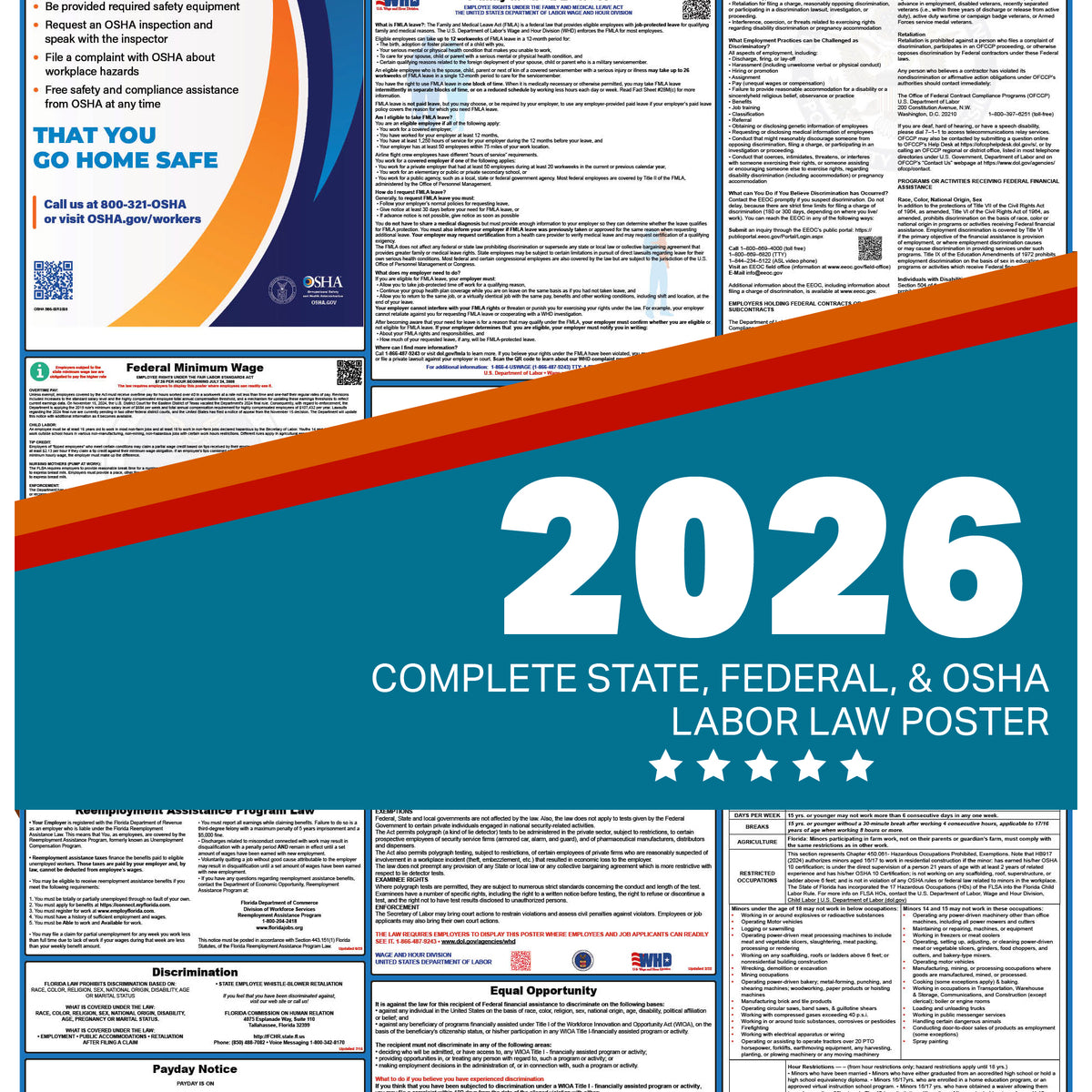
Kentucky recently updated its electronic labor law poster requirements for 2026, as noted by SixFifty.com, highlighting the ongoing need for compliance even in a remote work context. These posters are crucial for informing employees of their rights.
These are just a few examples. Many other states are considering or have already enacted legislation related to remote work. It’s essential for employers to stay informed about the laws in the states where they have remote employees. Ignoring these laws can lead to significant legal and financial consequences.
- California: Expense reimbursement, wage and hour compliance.
- Massachusetts: Written remote work policies.
- Washington: Workers' compensation rules for remote employees.
- Kentucky: Updated electronic labor law poster requirements.
Navigating the Future of Remote Work Law
The legal landscape surrounding remote work is likely to continue to evolve in the coming years. We can expect to see more federal guidance on this topic, as well as continued experimentation at the state level. Emerging legal issues include the right to disconnect – the idea that employees should be able to disconnect from work outside of normal working hours – and the impact of remote work on collective bargaining agreements.
Employers can stay compliant by proactively monitoring developments in the states where they have remote employees, developing clear and comprehensive remote work policies, and providing training to managers and employees. Employees should familiarize themselves with their rights under state and federal law.
I think we’ll see a greater emphasis on flexibility and employee well-being. Remote work has the potential to improve work-life balance, but it also presents new challenges. Employers who prioritize employee well-being will be best positioned to attract and retain top talent.
No comments yet. Be the first to share your thoughts!